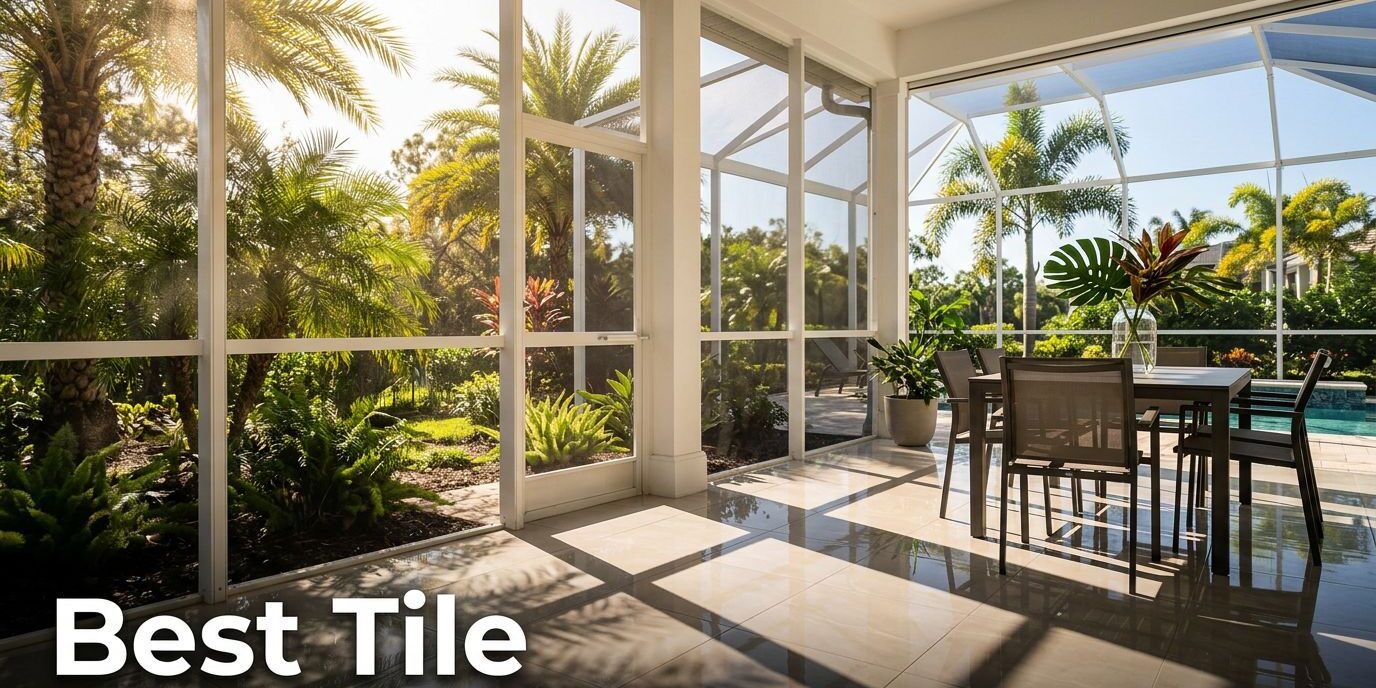
A screened lanai is rarely as protected as it looks. Rain blows in, humidity lingers, sand grinds into the floor, and the wrong choice can turn slick or worn-looking fast. It is best to think of this area as a true outdoor living space rather than a simple porch.
When I choose tile for screened lanais in Southwest Florida, I do not treat that floor like a standard indoor room. I treat it like a semi-exterior space that must handle intense heat, constant moisture, and daily foot traffic without becoming a maintenance headache. That is where the material, finish, and installation details start to matter.
Key Takeaways
- Prioritize Performance Over Aesthetics: Screened lanais function as semi-exterior spaces, meaning your tile must withstand high humidity, temperature swings, and moisture rather than just looking good in a showroom.
- Porcelain is the Industry Standard: Exterior-rated porcelain tile is the most recommended choice for Florida homes, offering the best balance of low-maintenance durability, slip resistance, and versatility.
- Mind the Surface Finish: Always choose a tile with a high DCOF (dynamic coefficient of friction) rating or a matte, textured surface to prevent slipping when the floor becomes wet from rain or pool splash.
- Installation is Critical: Even the highest quality tile will fail without proper subfloor preparation, correct drainage slope, and the inclusion of necessary movement joints to handle thermal expansion.
Why a Florida lanai floor plays by different rules
A screened lanai sits in the middle of your home design. It is not fully outside, yet it is certainly not fully inside either. This unique in-between status, often referred to as an enclosed lanai, is what trips many homeowners up during the selection process.
I have seen homeowners fall in love with a glossy tile in a showroom, then hate it a month later. Why? Because the floor got damp after a storm, showed every footprint, and felt slippery under bare feet. While a screened-in porch keeps insects out, it does not keep out moisture, pollen, dust, or the fine sand that seems to show up everywhere in Florida.
That matters even more near the coast. Salt air, high humidity, and wind-driven rain can quickly damage the wrong surface. To maintain a seamless indoor-outdoor flow, your flooring must be durable and weather-resistant. If the space gets regular foot traffic from pets, guests, or tenants, the floor needs significant traction and easy cleanup. If it is part of a business, safety matters even more. One slick surface is all it takes to turn a beautiful space into a liability.
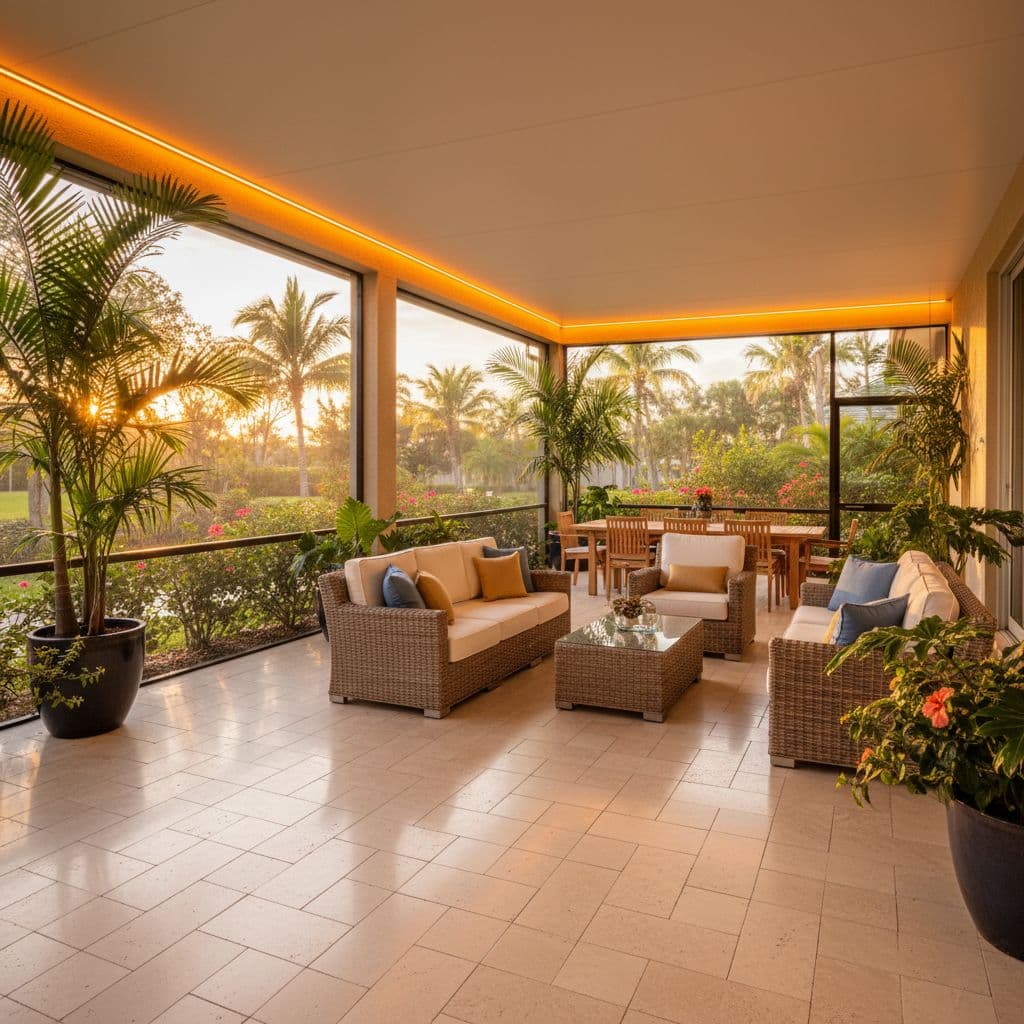
This is the kind of clean, durable look I like for a Florida lanai.
The best tile for these spaces must perform well under pressure. It should prioritize moisture resistance, stay easy to maintain, feel solid underfoot, and provide enough grip when the floor gets wet. It also needs to be compatible with the concrete slab below it, as a beautiful tile will not save a bad installation.
A screened lanai still behaves like an exterior space. If the tile cannot handle outdoor conditions, I do not want it on that floor.
So before I think about style, I ask a basic question: how will this space live on a normal August afternoon, right after a heavy rain, with sandy feet walking through it? That is the real test.
The best tile for most screened lanais, and when to pick something else
If you want my short answer, I reach for exterior-rated porcelain tile first. For the vast majority of projects, high-quality porcelain tile is the best call because it balances performance with aesthetics.
This material is dense, low-absorption, and incredibly tough. It handles moisture better than standard ceramic options, and it comes in versatile finishes that thrive in Florida humidity. I can easily achieve the look of stone, concrete, or popular wood-look tile without the constant upkeep that natural stone often requires. When you want a modern aesthetic, large-format porcelain offers a seamless, clean appearance that truly elevates a space.
Here is how the main choices stack up.
| Material | What I like | Watch-outs | Best fit |
|---|---|---|---|
| Exterior-rated porcelain | Durable, low maintenance, wide style range, good slip-resistant finishes available | Some dark or polished styles get hot or slick | Most screened lanais |
| Travertine | Natural look, classic Florida feel, often cooler underfoot | Needs sealing and more upkeep, surface can wear over time | Homeowners who want real stone |
| Standard ceramic tile | Lower cost in some cases, many style options | Many products are better for interiors than semi-exterior spaces | Only when the product is clearly rated for the job |
For most Florida lanais, porcelain wins on balance. It provides the ideal mix of durability, appearance, and low maintenance.
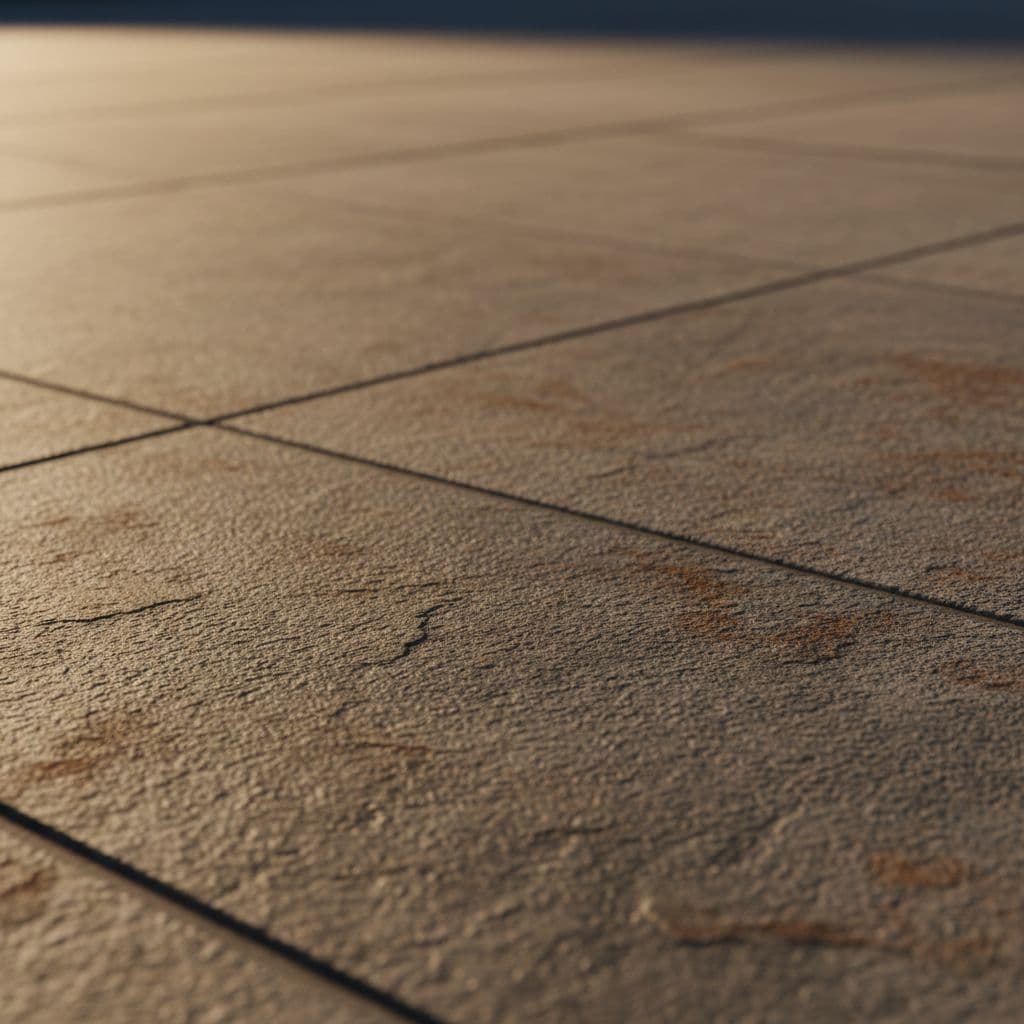
A porcelain tile with a textured surface is usually my safest recommendation for screened lanai flooring.
That does not mean natural stone is off the table. I still like it in the right setting, as it has that relaxed Florida look people love and can feel cooler underfoot than some manufactured surfaces. However, travertine asks more from you. It needs regular sealing, and it can etch or stain over time. While some people appreciate the way it ages, others prefer the consistent, reliable finish of porcelain.
What do I avoid? I stay away from slick, polished finishes, and I am careful with products meant only for climate-controlled interiors. A lanai floor does not care how good something looked under showroom lights. It cares how it performs when the weather shifts, the humidity rises, and the floor gets wet.
What matters more than color or pattern
A lot of people start with the look. I get it. Color and pattern are fun. But when I am helping someone choose tile for screened lanais, I care more about the finish, temperature, size, and grout plan.
The finish comes first because slip resistance is vital for outdoor living spaces. I always check the DCOF rating (dynamic coefficient of friction) to ensure the material is safe for damp conditions. A matte finish is usually the safer pick. A smooth, shiny tile may look crisp on day one, but after a light rain, it can feel like a bad idea. If wet feet are part of the picture, and in Florida they usually are, traction matters.
Color matters too, but not only for style. Lighter tones often stay cooler in the sun, which is important given the intense UV exposure typical of Florida homes. That is a big deal if you walk out barefoot with coffee in the morning or step out with pets in the afternoon. Dark tile can look sharp, but it tends to show more heat and more dust.
Tile size is where people get surprised. Bigger is not always better. Large-format tile can look clean and expensive, but lanais often need slope for drainage. If the slab has pitch or irregular spots, giant tiles can make the installation harder. Sometimes a slightly smaller tile gives a cleaner result and a better surface.
I also do not treat grout as an afterthought. On a lanai, grout color and grout type change how the floor ages. The wrong grout can stain fast or make dirt stand out. The right one helps the whole installation stay cleaner-looking between washes.
If I am narrowing down a choice, I ask four simple questions:
- Will this floor get rain, splash, or regular dampness?
- Will people walk here with bare or wet feet?
- Does the slab have proper slope and sound condition?
- Do you want low maintenance, or do you want real stone and accept the upkeep?
Those answers usually point me to the right product faster than any sample board.
Good installation keeps good tile from failing
Even the best tile for screened lanais can fail if the installation is wrong. I have seen expensive material laid over weak prep, poor slope, or the wrong mortar, and it never ends well.
The concrete base has to be sound. Cracks, loose coatings, paint, or moisture issues should be dealt with before tile goes down. To ensure long-term durability, a professional installation should include a waterproofing membrane applied over the base. If the floor does not have proper water drainage, the tile will not fix that by magic. Water should move away from the house, not sit on the surface or head back toward the doors. Similar to a pool deck, your lanai floor must be constructed to handle moisture exposure consistently.
Movement joints matter too. Outdoor and semi-outdoor spaces expand and contract. Florida heat is not gentle, and even covered areas shift over time. If an installer skips those details, tiles can loosen or crack, and grout can start popping out. When selecting your materials, look for options with high-quality ratings, such as freeze-thaw resistance, as this is a reliable indicator of a tile’s overall durability and density. Also, before starting your project, check your local guidelines to ensure you have obtained any necessary HOA approval.
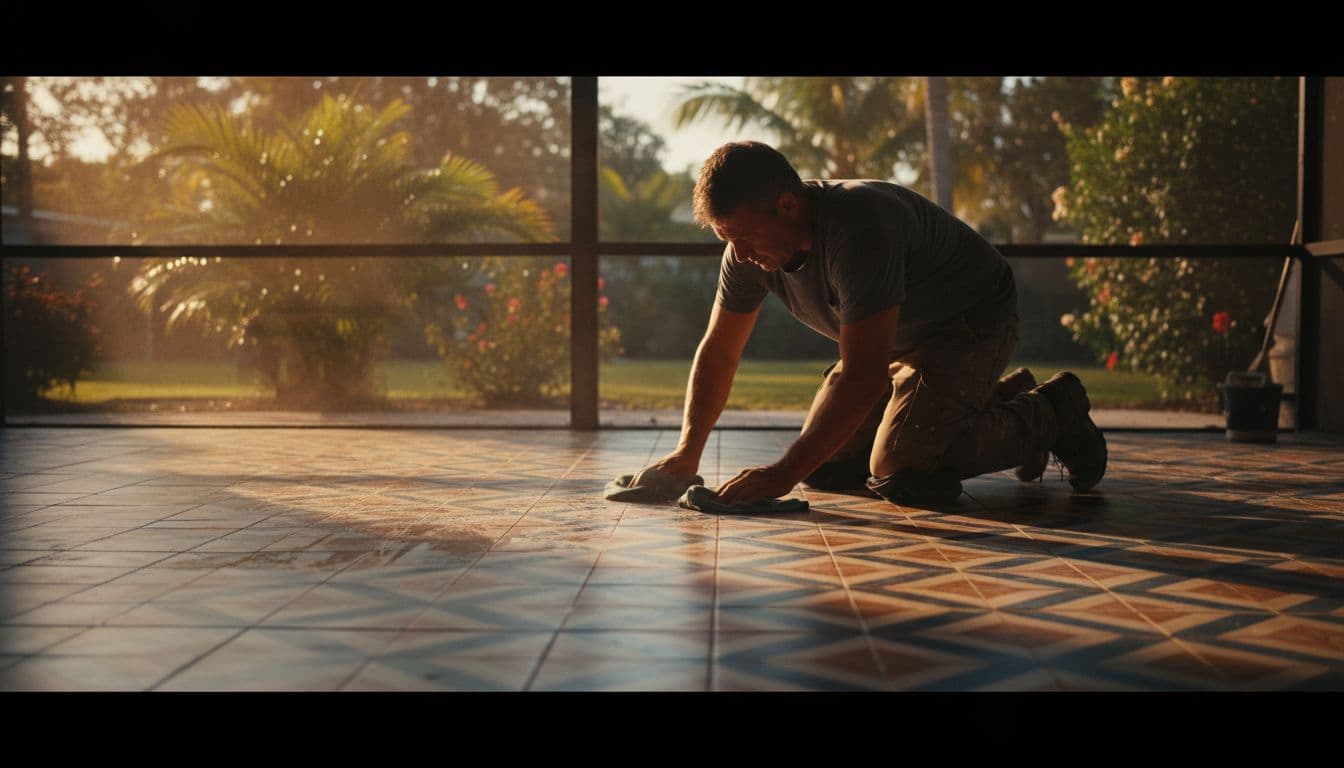
The right prep and the right cleanup habits help a lanai floor stay sharp for years.
Maintenance is the other half of the story. Porcelain is easy. Sweep off grit, rinse when needed, and use a mild cleaner that does not leave residue. Because sand is abrasive, regular sweeping helps more than people think. When installing your floor, opting for stain-resistant grout can make cleaning much easier. Keeping your grout lines clean and free of debris is essential for a polished look. If you drag chairs or planters, use protectors under them. That is a small habit that makes a big difference.
Stone needs more attention. Travertine should be sealed on the schedule your installer recommends, and acidic cleaners are a bad idea. Vinegar is not your friend here. Neither are harsh products that leave the surface dull or patchy.
This is the part I do not sugarcoat. A cheap install can make a great product look bad. A careful install can make a practical product look custom. That is why I pay as much attention to the substrate, slope, grout, and layout as I do to the tile itself.
Frequently Asked Questions
Why shouldn’t I use standard indoor porcelain tiles on my lanai?
Indoor tiles are not designed to handle the rapid temperature fluctuations and high moisture levels of an unenclosed space. Using them outdoors can lead to poor traction when wet and may cause the tiles to crack or delaminate due to a lack of freeze-thaw resilience.
Can I still use natural stone like travertine?
Yes, you can use natural stone, but it requires a much higher commitment to maintenance compared to porcelain. You must be prepared to seal it regularly and avoid using harsh or acidic cleaning products that can etch the surface over time.
Does the color of my tile really matter for the temperature of the floor?
It does, especially in Florida. Dark-colored tiles absorb significantly more heat from the sun throughout the day, which can make the floor uncomfortable to walk on barefoot. Lighter tones generally reflect more heat and stay cooler for daily use.
How often do I need to clean my lanai floor?
Because sand and grit are highly abrasive, you should sweep your lanai regularly to prevent the finish from wearing down. A simple rinse with water and a mild, residue-free cleaner is usually sufficient to maintain porcelain, while stone requires more specialized care.
Final Thoughts
When someone asks me for the best tile for screened lanais in Florida, I never start with the color or the aesthetic. Instead, I focus on how the space actually performs. Your screened lanai is constantly exposed to intense heat, high humidity, windblown grit, and frequent wet feet, so the flooring needs to handle those elements without compromise.
For most homeowners, textured exterior porcelain tile is the ideal solution. It provides the perfect balance of long-term durability and safety, offering reliable traction and style without requiring constant maintenance. While natural stone has its charm, modern options offer a level of resilience that better suits the local climate. Ultimately, the right floor is not just the one that looks best on a sample board; it is the one that stays beautiful and functional through every summer storm, busy weekend, and year of Florida living.