When people ask me about kitchen floor tile florida, I start with the same three problems: moisture, sand, and traffic. A floor can look great in a tile showroom and still be the wrong choice for a busy kitchen.
That matters more here than in a lot of other places. Florida kitchens deal with tracked-in grit, humid air, spills, and the occasional dropped pan, all on the same surface. When choosing the right kitchen flooring, I want durable materials that can take that abuse without turning into a maintenance headache.
Key Takeaways
- Prioritize durability for Florida’s climate: Florida kitchens face unique stressors like tracked-in sand, high humidity, and heavy foot traffic, making moisture-resistant and impact-resistant materials essential.
- Porcelain is the top choice: Due to its density and low porosity, porcelain tile outperforms ceramic in high-traffic areas, offering better protection against moisture and potential damage from grit.
- Mind the finish: Opt for matte or lightly textured finishes rather than high-gloss options to better hide scratches, minimize the visibility of dust, and improve safety when the floor is wet.
- Installation is non-negotiable: The longevity of your floor depends heavily on a properly prepared, level subfloor; rushing the demolition or base preparation can lead to premature cracking or uneven surfaces.
Why Florida kitchens punish the wrong floor
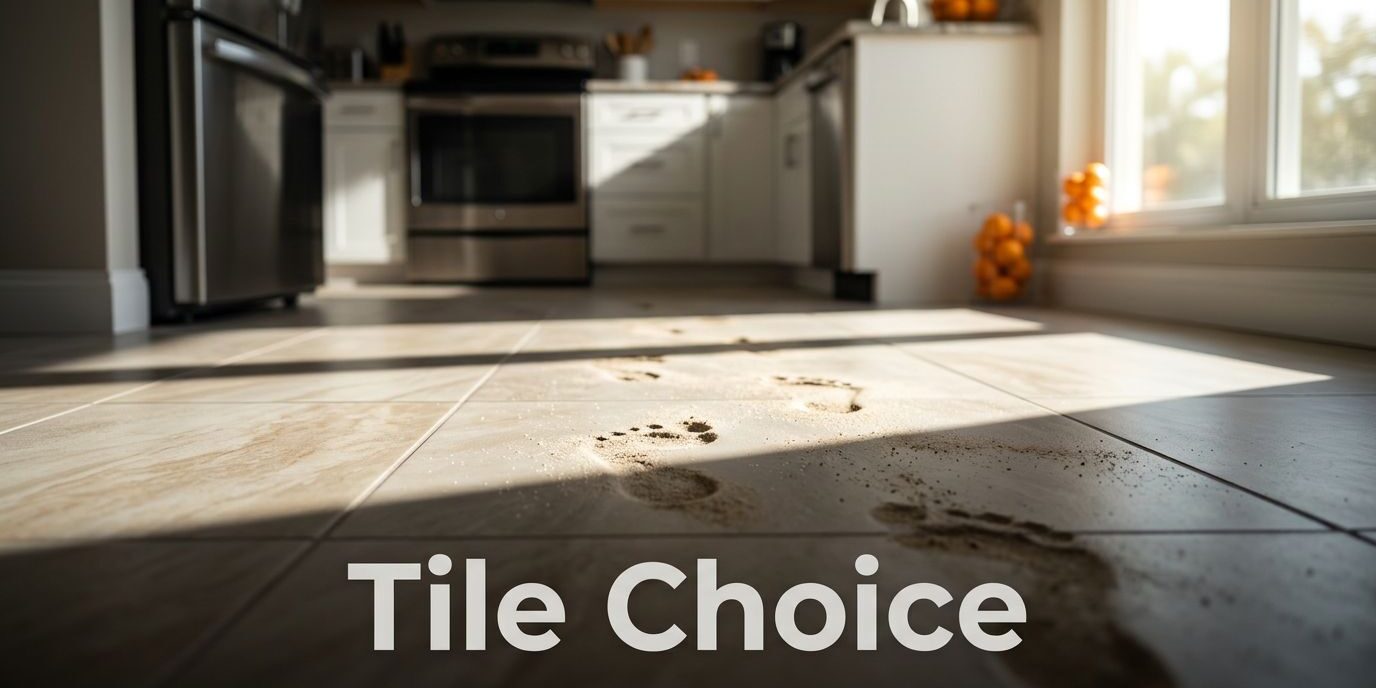
Florida homes are hard on flooring in a way that people from colder climates sometimes miss. Shoes carry in sand, doors stay open more often, and kitchens usually connect to living areas, patios, or lanais, creating high-traffic areas that never get a clean break.
Humidity adds another layer. Even if the tile itself is fine, a weak installation or a material lacking moisture resistance can start to show problems faster than you expect. If you want a broader look at how moisture changes flooring choices, this guide to flooring for humid climates lines up with the same concerns I hear from homeowners.
Sand is the quiet problem here. It doesn’t look like much, but it acts like fine grit underfoot day after day.
That grit matters. It works like sandpaper on softer surfaces, and kitchens collect it fast. Unlike laminate flooring or vinyl plank, which can sometimes struggle with deep sand and high humidity in specific subfloor conditions, tile remains a much sturdier choice for kitchen flooring in the Sunshine State. Add in constant foot traffic, pet paws, spills, and the occasional heavy pot, and the floor starts earning its keep. A pretty sample is one thing. A floor that still looks sharp after years of use is something else entirely.
Why porcelain tile usually wins in a busy kitchen
If I had to point to one material first, I would point to porcelain tile. It is denser than ceramic, less porous, and built to handle wear better over time. In a kitchen, that usually means superior moisture resistance, fewer worries about spills, better resistance to chipping, and a floor that keeps its look longer.
That extra toughness is the reason porcelain tile usually makes sense in high-traffic Florida kitchens. It holds up better when someone drags a chair, drops a skillet, or walks in with gritty shoes. Many homeowners now use this luxury flooring to replicate the aesthetic of wood look tiles, allowing you to achieve a high-end, stylish design that remains practical for your busy household. If you have kids, pets, or a kitchen that never really slows down, this material starts to look less like an upgrade and more like common sense.
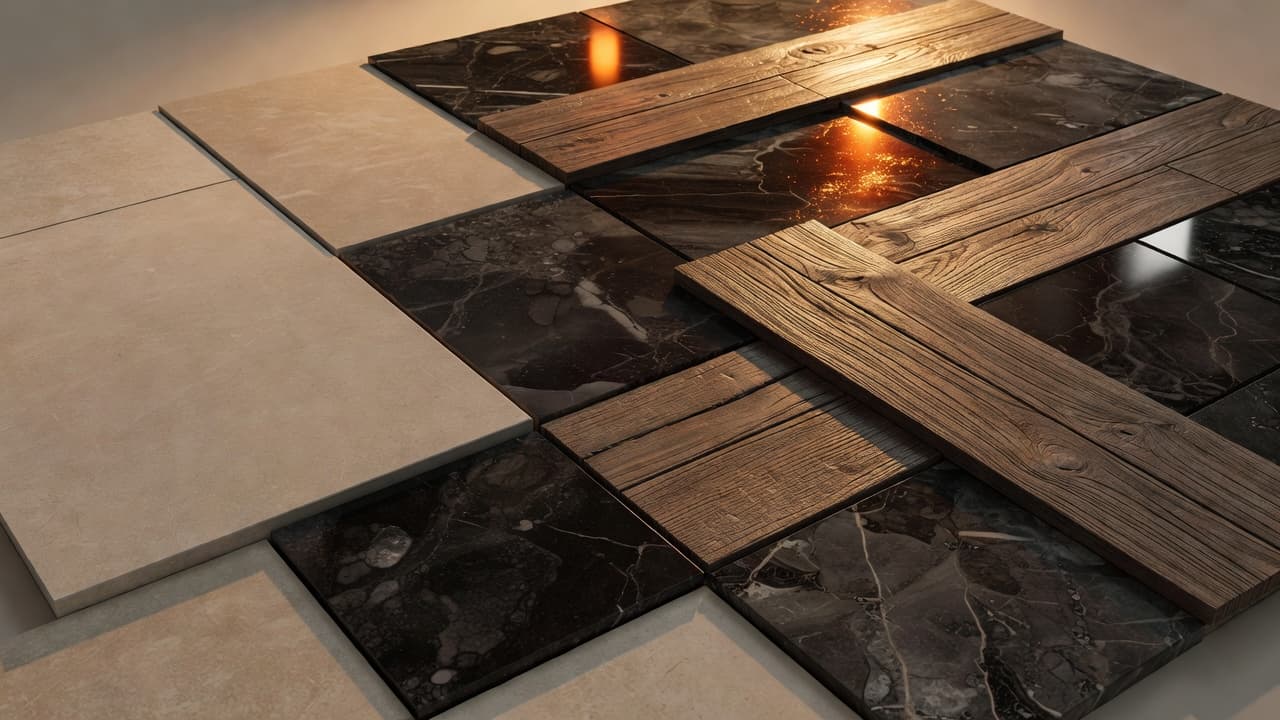
The finish matters too. I usually lean toward a matte finish or lightly textured porcelain instead of something super glossy. A matte finish is incredibly easy to clean and provides better performance in high-traffic areas, as a slick surface can be less forgiving when the floor gets wet. Texture also helps hide the little scratches and specks that Florida kitchens collect so easily.
For homeowners comparing warm-weather options, I also like this look at flooring options for tropical homes. It gets at the same basic truth, as tough materials are easier to live with when the weather never really lets up.
When ceramic still has a place
Ceramic tile isn’t a bad material. It is often available at affordable prices, and it is usually easier to cut during installation. That can help with labor costs, which matters when the budget is tight.
The catch is simple. Ceramic tile works best when the room is lighter on traffic and lower on moisture exposure. If I am looking at a guest kitchen, a smaller space, or a home where the floor will not take a daily beating, ceramic tile can be a smart choice. If the kitchen is the center of the house, I am more cautious.
Here is how I usually compare the main options.
| Material | How it handles a Florida kitchen | Upfront cost | Best fit |
|---|---|---|---|
| Porcelain tile | Dense, hard, and strong against moisture and grit | Higher | Busy kitchens, families, open layouts |
| Ceramic tile | Easier to cut and often less expensive | Lower | Light-traffic kitchens, tighter budgets |
| Natural stone | Warm and natural, but needs more care | Varies | Homeowners who want stone and do not mind upkeep |
The table tells the story pretty fast. Porcelain tile gives me the least worry. Ceramic tile gives me a lower starting price. Natural stone brings character, but it asks for more attention.
I also tell people not to look at price in a vacuum. While natural stone or mosaic tiles can add character to a space, porcelain tile is the clear workhorse of kitchen flooring. Ceramic tile may cost less today, but replacing a floor sooner can wipe out the savings. If a kitchen sees a lot of action, the stronger material usually pays for itself in peace of mind. That is especially true in homes where the kitchen is the main path through the house.
The details that matter after you pick the tile
Tile choice matters, but installation matters just as much. I have seen good tile fail because the floor underneath was not ready for it. Professional floor and wall installers often check subfloors for remnants of engineered hardwood or old vinyl before laying tile because a flat, stable subfloor is not optional. It is the base that keeps everything honest.
When I look at a kitchen floor, I want to know whether old flooring has to come out, whether the subfloor needs leveling, and how the transitions to nearby rooms will look. If the old floor is left in place when it should have been removed, the new tile can end up uneven. If the base is rushed, cracks and loose spots show up later.
That is why I pay close attention to demolition, disposal, and prep. A clean removal makes the next step easier. A level base makes the finish last longer. And a clear estimate matters just as much as the material itself.
A few other details are worth watching:
- Grout lines: Smaller grout joints and the right grout color can make cleanup easier.
- Slip resistance: A kitchen floor should provide adequate slip resistance to ensure safety.
- Tile size: Larger tiles can cut down on grout lines and make the room feel calmer.
- Design elements: You might consider mosaic tiles for decorative flair or coordination with your backsplash tile for a cohesive look.
- Layout: The pattern should work with the shape of the room, not fight it.
Most kitchen tile projects are measured in days, not weeks, unless the prep underneath turns up surprises. A straightforward job can move quickly. A more complicated one takes longer, and that is usually a good thing if it means the floor is being done right.
If you are comparing quotes, ask what is included. Demo, leveling, cleanup, and timeline should all be plain as day before the first tile goes down. I recommend visiting a local tile showroom to discuss your options and get a clear estimate for the entire kitchen flooring project. That is the kind of detail that keeps a project from turning into a headache.
Frequently Asked Questions
Why is porcelain tile considered better than ceramic for Florida kitchens?
Porcelain is denser and less porous than ceramic, which allows it to better withstand the humidity and moisture common in Florida homes. Its superior hardness also makes it much more resistant to the chipping and scratching caused by sand and daily wear.
Can I use glossy tiles in my kitchen?
While glossy tiles can look beautiful, they are generally less recommended for busy Florida kitchens because they are more slippery when wet and tend to highlight every small scratch or speck of sand. A matte or textured finish is much more practical for high-traffic spaces that see frequent use.
Does the subfloor really matter that much?
Yes, the subfloor is the foundation of your entire installation and must be perfectly level and stable to prevent future cracks. If your installer fails to prepare the subfloor correctly—or installs tile over an improper surface—your new floor will likely develop issues regardless of how high-quality the tile material is.
Conclusion
For a Florida kitchen, porcelain tile is usually the safest first choice. It handles moisture, grit, and heavy use better than most alternatives, making it a water resistant choice for kitchen flooring that stands up to the challenges of this climate.
Ceramic still has a place when traffic is lighter and budget matters more than long-term toughness. The real answer is not just which tile looks best in the sample box. It is which tile can live in your kitchen without fighting you every year.
If I were choosing for my own Florida home, I would start with durability, then move to finish, then think about installation. Choosing durable materials in that order is the key to a successful kitchen floor tile Florida installation, ensuring the job gets done without any guessing.