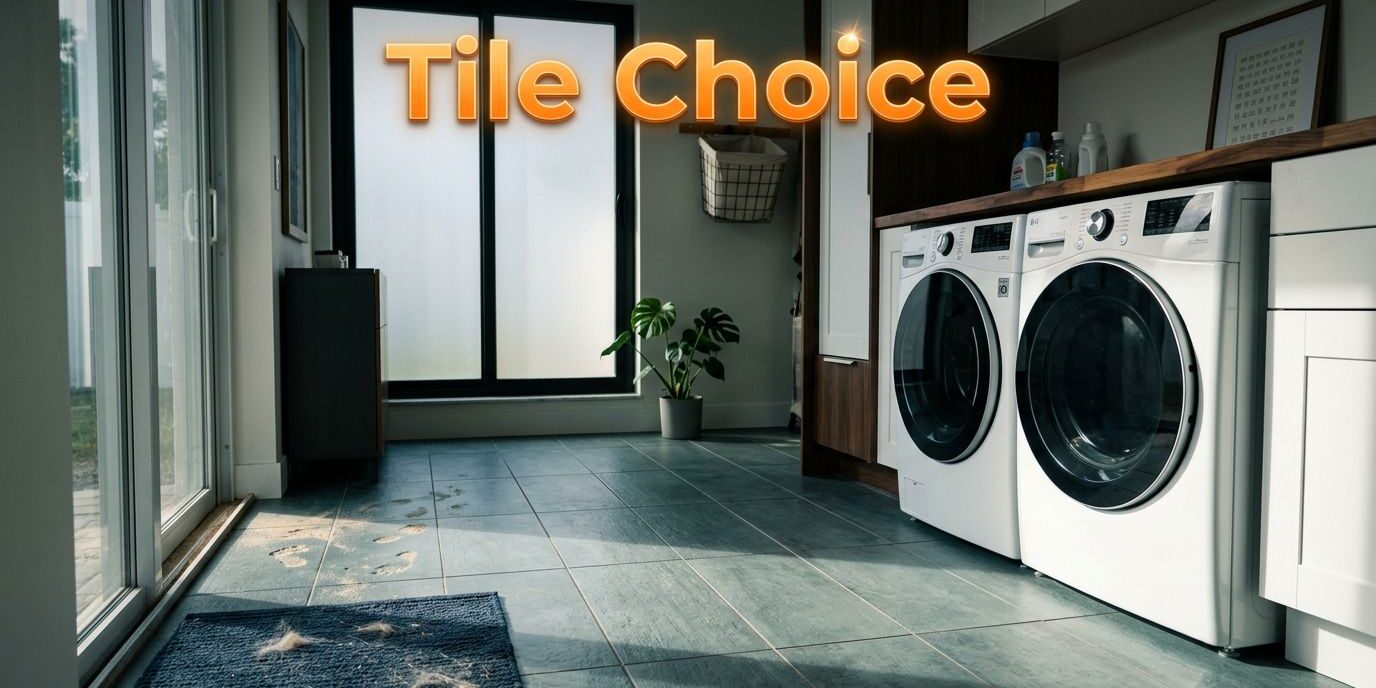
A dedicated laundry room in Florida faces a harder life than most people think. It deals with persistent humidity, washer leaks, sandy shoes, pet traffic, and the occasional bottle of detergent that tips over at the worst time.
I have seen beautiful floors fail in ugly ways because the wrong material went into the wrong space. If you want a laundry room tile that looks good and still makes sense five years from now, a few technical details matter more than fleeting style trends.
Key Takeaways
- Prioritize Porcelain: Porcelain tile is the superior choice for Florida laundry rooms due to its high density and extremely low water absorption rates, making it perfect for humid environments.
- Choose Practical Finishes: Opt for matte or lightly textured finishes in mid-tone colors to effectively hide dust, lint, and pet hair while providing necessary slip resistance.
- Avoid High-Maintenance Materials: Steer clear of high-gloss tiles, porous cement tiles, and soft natural stones that require constant sealing and are prone to etching from detergent or bleach spills.
- Focus on Installation Quality: Ensure a solid, level substrate and consider using crack isolation membranes on concrete slabs to prevent future movement and potential tile damage.
Why Florida laundry rooms need different tile
Florida changes the flooring conversation fast. Up north, a laundry room might stay dry most of the year. Here, moisture shows up from every direction.
Humid air hangs around. Wet towels land on the floor. Rain blows in when the laundry room sits near a garage entry or side door. In many homes, this room functions as a high-traffic area, serving as a drop zone for shoes, pool gear, and whatever came in from the driveway.
That matters because not every tile handles moisture the same way. When selecting materials, you must prioritize water resistance, as some tiles absorb more liquid than others. You also want to avoid options that scratch easily or show every speck of lint and dust like a spotlight.
I have also found that Florida homes often need flooring that plays well with the rest of the house. Open floor plans are common, and laundry rooms are not always tucked away. If the tile feels like an afterthought, the room does too.
The big issue, though, is simple: this floor needs to be tough without becoming slippery. That is the balance I chase every time. A laundry room is a functional space, and it does not need drama. It needs traction, durability, and easy cleanup.
If the room is on a concrete slab, that is another piece of the puzzle. Slabs can transfer moisture, and they can also crack. A good tile choice helps, but so does the right prep under it.
Porcelain tile is usually the smartest pick
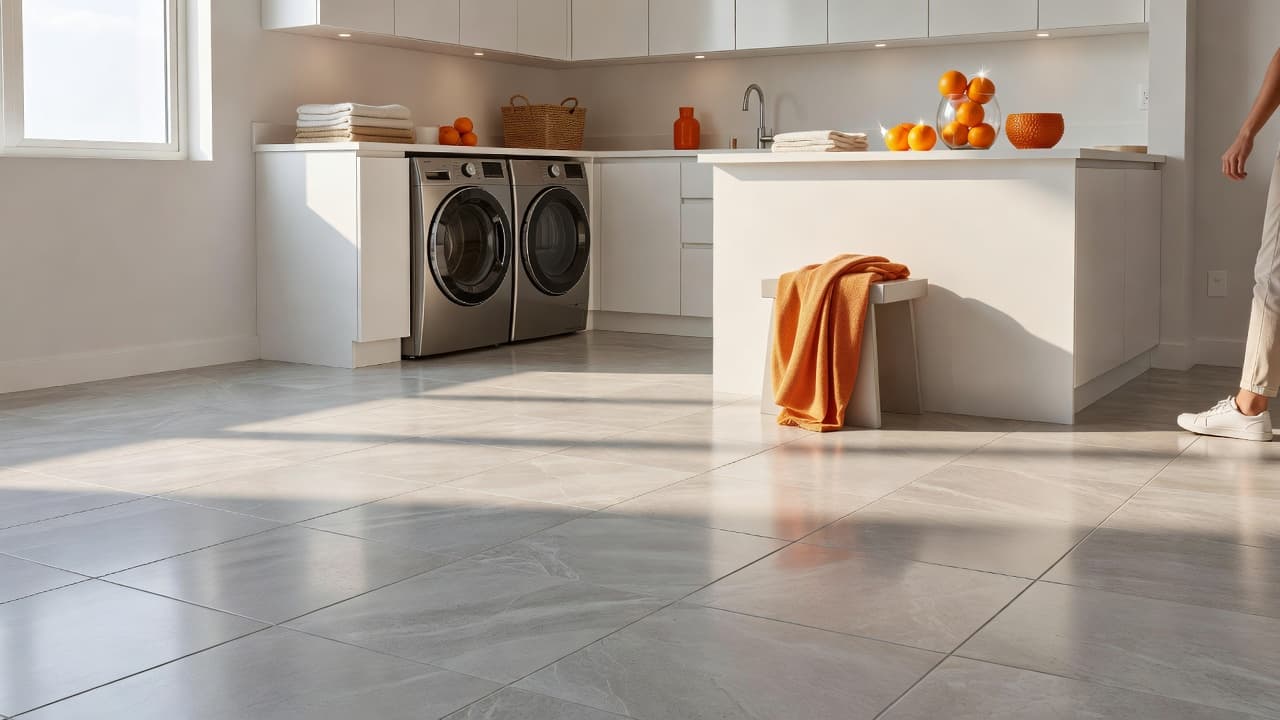
When homeowners ask me what I trust most for a Florida laundry room, I usually say porcelain tile first. Not because it is fancy, and not because it is trendy. It simply fits the room.
Porcelain is incredibly dense. It absorbs very little water, usually less than 0.5 percent, providing the superior water resistance needed for rooms where moisture is part of daily life. It also holds up well against dragged baskets, rolling hampers, and foot traffic coming in from outside.
Ceramic tile can work, but I treat it more cautiously on floors that take significant abuse. Natural stone can look great, but most laundry rooms do not need the extra upkeep. If you want the short version, this table sums it up.
| Tile type | What I like about it | What gives me pause |
|---|---|---|
| Porcelain | Dense, durable, low water absorption, easy to clean | Better products can cost more upfront |
| Ceramic | Affordable, lots of styles | Usually less dense, can chip more easily |
| Natural stone | Beautiful, unique look | Needs sealing, more maintenance, can stain |
| Mosaic tile | Great grip in some patterns | More grout lines to clean |
The takeaway is simple. Porcelain wins on balance.
I also pay attention to the finish. A polished tile can look sharp in a photo, but I do not love it for most laundry rooms. A matte or lightly textured finish is a better bet because it hides dust better, feels more grounded, and offers necessary slip resistance for wet laundry environments.
If you are reading product specs, check that the tile is rated for floor use. If the manufacturer lists a DCOF suitable for interior wet areas, that is even better. I do not need a floor that feels rough underfoot, but I do want something that still feels steady when a little water hits it.
For most Florida homes, porcelain plank tile or a medium-format porcelain tile checks the right boxes. It looks clean, wears hard, and does not ask for much in return.
The best colors, sizes, and finishes for a busy laundry room
This is where people can overthink it. A laundry room doesn’t need a complicated design story. It needs a floor that still looks good on a Tuesday when nobody has time to baby it.
I lean toward mid-tone colors. Light gray, warm beige, sandy taupe, soft greige, and weathered wood-look porcelain are excellent options for your laundry room floor tile. These shades hide lint, dust, and footprints better than bright white or deep charcoal.
White tile can look crisp, but it shows everything. Dark tile can be handsome, but it often highlights detergent residue and pet hair. That is not a dealbreaker, but it is something I mention before the first box gets opened.
Size matters too. Large-format tile can make a small laundry room feel calmer because there are fewer grout lines breaking things up. A 12×24 porcelain tile is a strong choice. If you want to elevate the aesthetic, you can install a patterned floor tile, a classic checkerboard floor tile layout, or a sophisticated herringbone pattern. Wood-look planks are also a great option if you want the room to connect visually with the rest of the home.
Mosaics have their place, especially if you are after extra grip, but they create more grout to scrub. In a shower, that tradeoff can make sense. In a laundry room, I usually want simpler maintenance.
Grout color is a bigger decision than most people expect. Bright white grout in a work room is asking for stress. I prefer a mid-tone grout that blends with the tile because it is easy to clean and hides normal wear while still looking fresh.
The prettiest tile sample isn’t always the best floor. In a laundry room, practical usually wins.
If you are trying to match nearby flooring, don’t chase perfection so hard that you pick the wrong surface. Close and durable beats exact and finicky every time.
What I avoid in Florida laundry rooms
Some materials look good on a display board and turn into a headache after installation. I have learned to spot those traps early when selecting the right laundry room tile for Florida homes.
I avoid high-gloss floor tile in most laundry rooms. Water, detergent, and smooth surfaces do not make a great team. Even if the floor does not become dangerous, it can feel slick enough to bother you every time you are carrying a heavy basket. I also steer clear of cement tile, as it is naturally porous and notoriously difficult to maintain in the humid, wet environments common across Florida.
I also think twice about soft stone. Marble has charm, but a laundry room is a splash and spill space. Beyond just the flooring, marble countertops in this area are a frequent mistake, as spills from common items like detergent or bleach will quickly etch the surface. While quartz countertops are a much more durable alternative for utility spaces, the floor tile choice remains the primary foundation of the room’s overall utility. Travertine can work in the right home, but it requires more ongoing maintenance than many homeowners want to provide for a utility room.
Low-quality, cheap tile is another significant problem. Sometimes the issue is poor surface wear, while other times it is size inconsistency that makes professional installation much harder. These tiles often chip too easily under the weight of appliances. A laundry room may be a smaller space, but it is not a place where I recommend saving pennies only to inherit long-term problems.
I do not love overly busy patterns in these rooms either. A loud floor in a compact space can feel cluttered very quickly. If the rest of the house features calm finishes, the laundry room design should follow that lead.
Finally, I never treat grout like an afterthought. Standard grout can work, but high-quality, moisture-resistant grout products pay off in wet areas. If the room sees regular moisture from laundry appliances, that upgrade is always money well spent.
Installation details matter as much as the tile
A strong tile choice can still fail if the installation is weak. That is the part many homeowners do not see until something cracks, shifts, or starts sounding hollow.
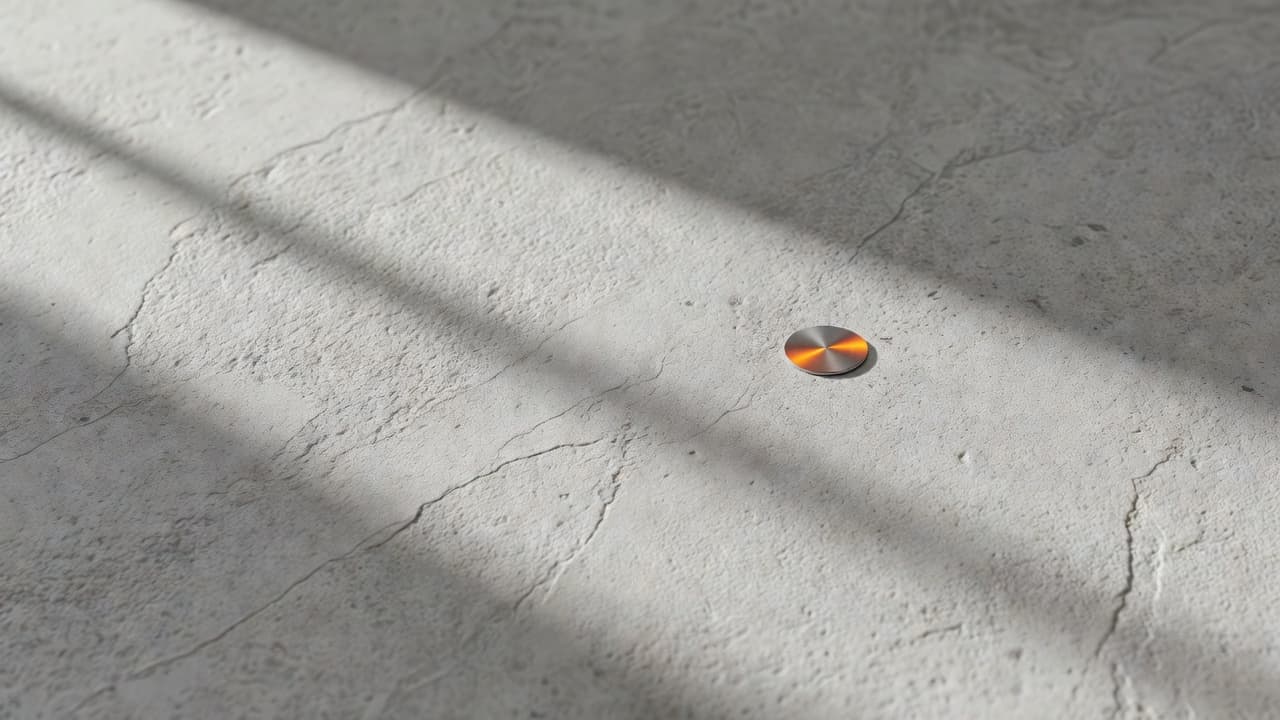
The substrate has to be solid and flat. If the floor has movement, tile will tell on it. In Florida homes, I also like to think ahead about slab cracks and moisture. A crack isolation membrane can make a lot of sense, especially on concrete.
Layout matters more than people think. In a small room, awkward cuts near the doorway or washer can make the whole floor look off. I want the tile pattern to feel balanced when you walk in, not patched together. I also pay attention to transitions. If the laundry room connects to wood look tile, LVP, or another hard surface, the height change needs planning. Nobody wants a lip at the doorway that catches toes and carts.
Beyond the floor, do not forget about your laundry room walls. While flooring is the priority, integrating wall tile is a smart way to protect surfaces near utility sinks or laundry appliances. There are many creative backsplash ideas to consider, such as installing a laundry room backsplash. Using classic subway tile provides a clean, moisture resistant surface that is easy to wipe down, while handmade tile can add a touch of artisanal character to a space that is often purely functional.
Finally, there is the simple stuff. Proper grout joints, good thinset coverage, and clean edges at baseboards and cabinets ensure the job is done right. Those details do not shout, but they separate a floor or wall installation that lasts from one that starts bothering you right away.
Frequently Asked Questions
Why is porcelain better than ceramic for my laundry room floor?
Porcelain is denser and less porous than ceramic, meaning it absorbs significantly less moisture. In a Florida laundry room where humidity and potential water leaks are common, this durability prevents the tile from cracking or failing over time.
Are patterned or mosaic tiles a bad idea for a laundry room?
While patterned or mosaic tiles can look beautiful, they often feature many grout lines that require frequent scrubbing to keep clean. For a functional space like a laundry room, simpler, larger-format tiles are usually easier to maintain.
What is the best grout to use in a laundry room?
It is highly recommended to use a high-quality, moisture-resistant grout rather than a standard option. Choosing a mid-tone color that complements your tile will help hide everyday dirt and wear better than bright white grout.
Can I install tile directly over my concrete slab?
While you can install tile over a slab, it is important to check for existing cracks and moisture issues first. Installing a crack isolation membrane between the slab and the tile is a smart way to protect your new floor from shifting or cracking as the concrete settles.
Final thoughts
If I had to keep it simple, I would say this: for most Florida homes, porcelain tile remains the most reliable and smart choice for your laundry space. It handles humidity with ease, cleans up effortlessly, and is durable enough to withstand the daily demands of a busy household.
When you select a matte or lightly textured finish in a practical mid-tone, you create a perfect foundation for other functional elements. A well-designed floor complements the clean lines of shaker cabinets, provides a stable base for a modern side-by-side washer/dryer setup, and anchors the look of a deep farmhouse sink. Whether you are aiming for a classic or modern aesthetic, you can even incorporate a tiled accent wall to tie the room together as a cohesive part of your home. A laundry room might not always be the main showpiece, but when the flooring is chosen with care, the entire space functions better for years to come.