

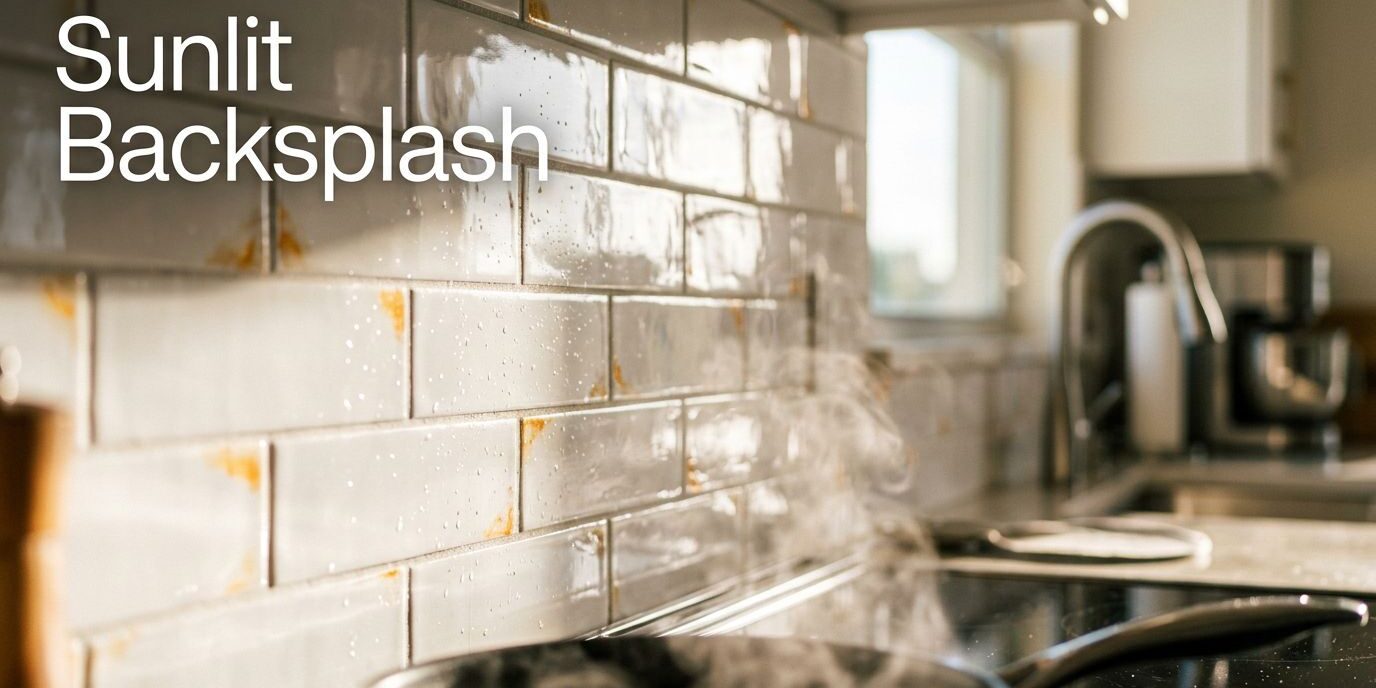
A beautiful backsplash tile can look perfect in a showroom and still feel wrong once Florida light hits it. I have seen that happen more than once, as the unique lighting in our region changes the character of materials quickly.
In this climate, a kitchen wall has to handle humidity, cooking mess, strong sun, and daily cleanup. When planning a home renovation, the best choice is usually the one that looks good on Monday and still performs well after years of steam, splatter, and salt air.
If I am selecting a Florida kitchen backsplash tile for a project, I start with performance first, then style. By incorporating professional interior design principles into your material selection, you ensure that your kitchen remains both durable and visually appealing for years to come.
Key Takeaways
- Prioritize Performance First: In the Florida climate, your backsplash must withstand humidity, intense sunlight, and daily cooking messes; choose materials that balance aesthetics with ease of maintenance.
- Mind the Light: Florida’s bright, natural lighting can drastically alter the appearance of tiles, so always test samples in your own space before committing.
- The Case for Porcelain and Ceramic: These are the most reliable choices for high-traffic kitchens due to their durability, low porosity, and variety of finish options.
- Simplify Your Visuals: Avoid overly busy patterns or high-contrast grout, as Florida homes often have open layouts where a simpler backsplash prevents the room from feeling cluttered.
- Understand Maintenance Realities: While natural stone offers unique beauty and glass provides a bright, coastal reflection, both require more dedicated care and cleaning than standard kiln-fired tiles.
What Florida homes ask of a backsplash
Florida kitchens have their own unique personality. They are typically brighter, more open, and better connected to the rest of the house. In South Florida, that often means one clear sightline runs from the kitchen to the living area, then straight out to the lanai or pool.
That matters because a backsplash does not live in isolation. It has to work with sunlight, cabinet colors, countertop movement, and the feeling of the whole room. A tile that looks rich and moody in a dark northern kitchen can feel heavy here. A tiny, busy mosaic tile can also start to look noisy rather quickly.
Humidity matters too. Even with good air conditioning, kitchens deal with steam, temperature swings, and regular wiping. Near the coast, salt air can be part of the equation. That is why I do not judge backsplash tile by looks alone. I want to know about the level of maintenance required, how easy to clean it is, and whether the surface will stay looking sharp without constant upkeep.
When clients want a clear starting point for their kitchen backsplash, I use this comparison:
| Tile Type | What I like about it | What to watch for | Best fit |
|---|---|---|---|
| Porcelain tile | Dense, low-maintenance, easy to clean | Some styles can feel too flat if the kitchen needs texture | Busy homes, rentals, commercial kitchens |
| Ceramic tile | Affordable, lots of colors and shapes | Quality varies more than porcelain | Most standard wall applications |
| Glass tile | Reflects light, bright coastal feel | Shows smudges and needs clean grout work | Smaller kitchens, accent areas |
| Natural stone | Warm, organic, high-end look | Needs sealing, can stain or etch | Homes where character matters more than easy care |
The takeaway is simple. In a Florida kitchen, I want a product that handles moisture and cleanup without drama.
The prettiest backsplash is not always the best one. In Florida, the best one is the tile you will still like after the fifth wipe-down of the week.
Why porcelain and ceramic usually come out on top
If you ask me for the safest answer, I almost always start with porcelain or ceramic. For most homes, that is the sweet spot. These materials are easy to live with, easy to clean, and available in enough styles that they never feel like a compromise.
Porcelain tile is my first pick when the goal is durability with a polished look. It is dense and non-porous, which makes it a smart fit for kitchens that get real use. I also like it for business spaces, break rooms, and rental properties where maintenance needs to stay simple. To ensure long-term stability, I always recommend installing these over a high-quality cement backer board.
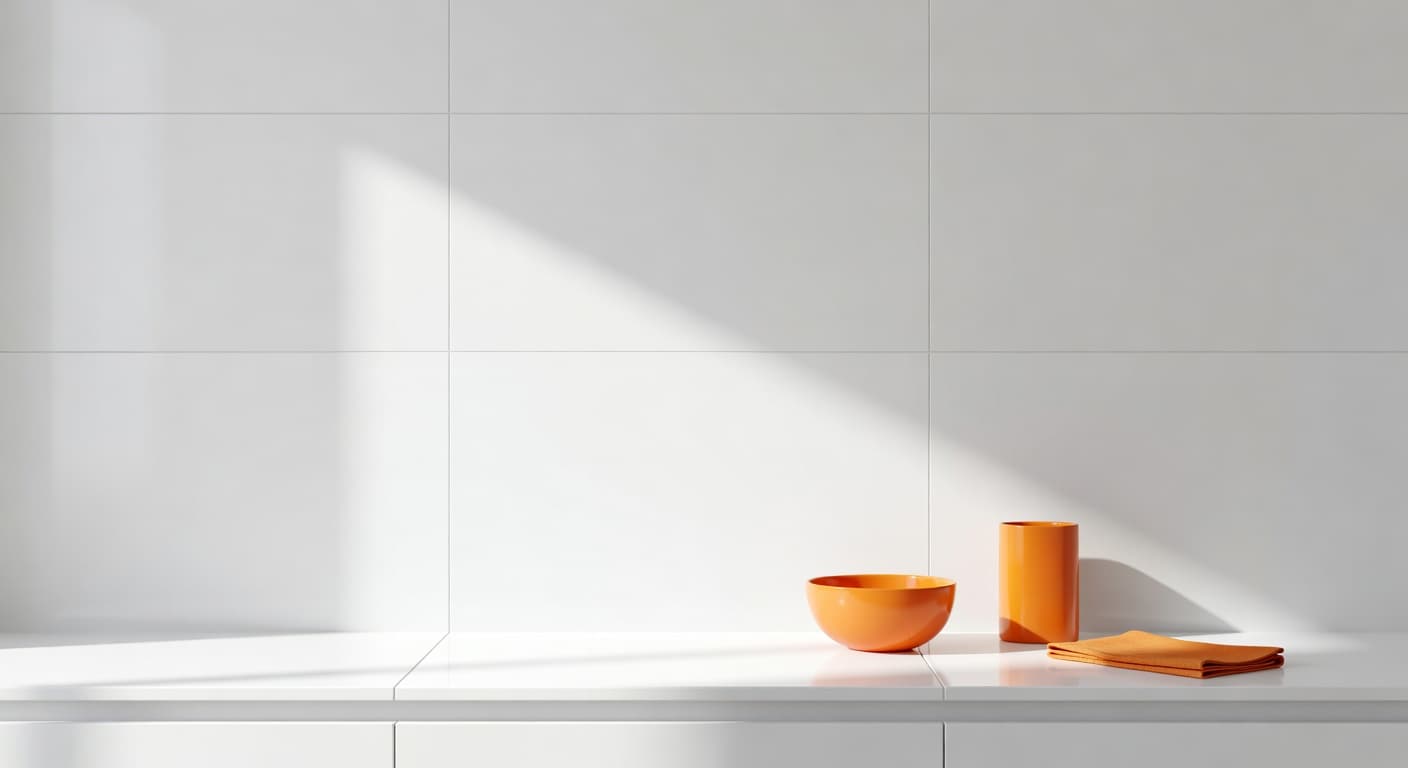
Large-format porcelain tile options are especially strong in Florida kitchens. Fewer grout lines mean less visual clutter and less scrubbing. In a bright room, you might choose a glossy finish to reflect light or a matte finish to provide a softer, more grounded aesthetic. If the cabinets and counters already have movement, a simpler surface keeps the room balanced.
Ceramic tile is another solid choice, and often a more budget-friendly one. On a wall application, a good product can perform beautifully. I like this option when a client wants a classic subway tile, a charming terracotta look, or a handmade appearance without the price tag of more premium materials.
For me, the key is quality. Cheap tile can have uneven glaze, warped edges, or surface issues that show up once it is installed under cabinet lights. A kitchen backsplash sits right at eye level, so small flaws rarely stay hidden.
For most projects, the best solution is not the loudest or most expensive option. It is the one that fits the space, keeps grout under control, and holds up to daily life. That is why these materials keep winning. They do not ask much from the homeowner, and that is a real advantage.
When glass and natural stone make sense, and when they don’t
Glass tile has a place in Florida. In the right kitchen, it can be beautiful. It catches light, adds movement, and brings in that airy coastal feeling people want without leaning too hard into a theme. As a versatile backsplash tile, it excels at bouncing sunlight around the room to brighten up dim corners.
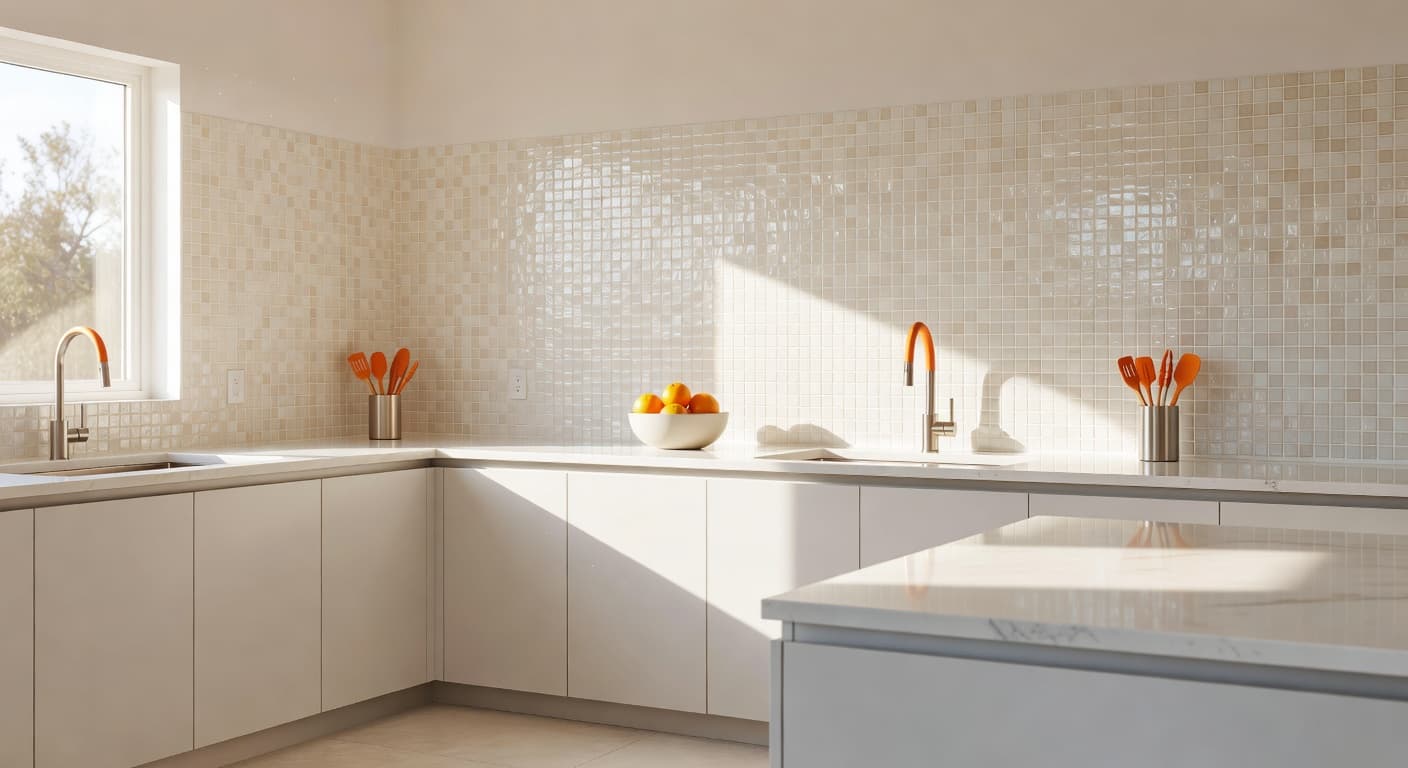
I like glass tile best when the room needs brightness. A darker kitchen, a small condo kitchen, or a space with limited natural light can benefit from that reflective surface. While simple glossy finishes are popular, high-end options like a waterjet mosaic can add incredible sophistication. Soft sea-glass tones, pale neutrals, and simple shapes tend to age better than bold multicolor blends.
Still, this material isn’t maintenance-free. Smudges show more, and installation has to be precise. If you choose a complex mosaic tile design, grout lines multiply fast. That is fine if you love the look and know what comes with it, but I do not sell it as the easy option.
Natural stone is where people fall in love first and ask questions later. I get it. This material has warmth that manufactured products cannot fully copy. Whether you opt for marble tile, travertine stone, or limestone, it can make a kitchen feel grounded and custom.
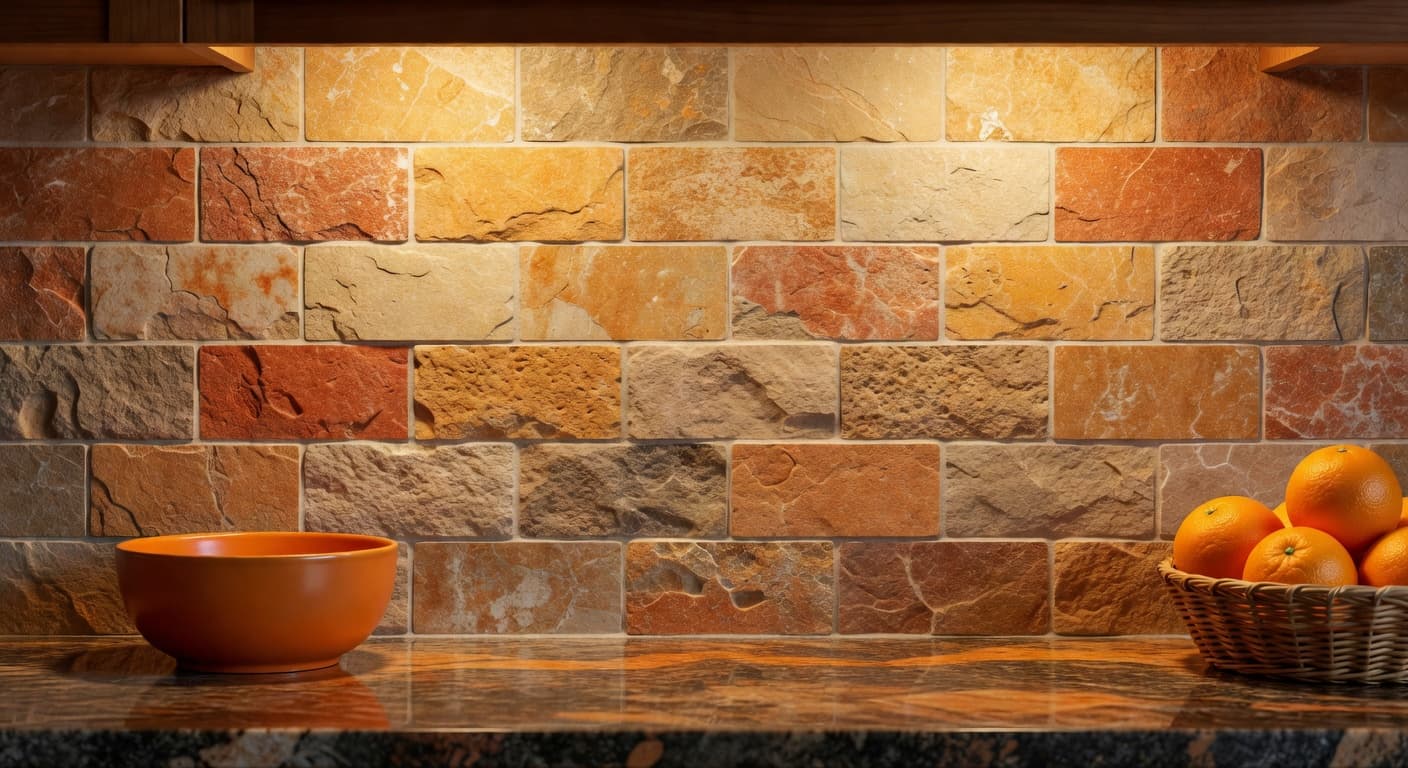
But natural stone asks more from you. It needs sealing, and some varieties can darken, stain, or etch over time. Behind a cooktop, where oil and sauce hit the wall, that matters. If you cook often and want a wipe and go surface, stone may test your patience.
I usually recommend stone only when the homeowner likes natural variation enough to accept the upkeep. Honed finishes tend to feel more relaxed than polished marble in Florida homes, as they hide everyday marks a bit better. If I use stone, I like it in simple shapes and quiet colors. Let the material speak for itself, and avoid forcing it into an overly busy mosaic tile pattern.
The colors, grout, and tile sizes I trust most
This is where a lot of kitchen backsplash decisions go sideways. People pick the material well, then overdo the pattern, the color mix, or the grout contrast.
Florida homes already have a lot going on. Strong daylight, open plans, and outdoor views create a busy atmosphere. Sometimes white cabinets, quartz counters, stainless appliances, and reflective floors all appear in one space. A backsplash should support that environment, not compete with it.
I lean toward colors that stay calm in bright light. Warm white, creamy white, soft greige, pale sand, muted blue-gray, and gentle green all work well. If the countertop has bold movement, I almost always quiet the backsplash down. If the countertop is plain, then the tile can bring more personality through shapes like a classic herringbone tile or a geometric hexagon tile.
Tile size and shape matter more than most people expect. Small mosaics can work, but they create texture and visual activity. That is fine in a compact feature area, but across a full kitchen wall, it can feel overwhelming. Similarly, 3D textured tile can be stunning, but it creates challenges for cleaning and long-term maintenance. Longer subway tiles, large squares, and rectangular formats often look cleaner in Florida kitchens.
Grout color is the sleeper decision. Pure white grout looks sharp at first, but it starts to show every speck of dust. I usually prefer a soft gray, warm white, or a grout color close to the tile. It hides more and keeps the backsplash looking cleaner between deep cleanings. While some homeowners consider peel and stick options for a quick bathroom backsplash, those products rarely provide the durability or essential countertop protection required for a high-heat cooking area.
When I am helping someone narrow it down, I come back to four questions:
- How much real cooking happens in this kitchen?
- How much natural light hits the backsplash every day?
- Do you want the wall to stand out, or do you want the whole room to feel calm?
- What level of maintenance are you willing to commit to?
Those answers usually point to the right tile faster than a stack of samples does.
I also tell clients to bring samples home. Showroom lighting lies. A tile can look crisp under store lights and turn yellow, flat, or too shiny once it is under your cabinets and next to your countertops. In Florida, sunlight is part of the design team whether you invited it or not.
Frequently Asked Questions
Why is porcelain better than natural stone for a Florida kitchen backsplash?
Porcelain is a dense, non-porous material that resists moisture, humidity, and food splatters, making it ideal for the high-cleanup demands of a busy kitchen. Natural stone, while beautiful, is porous and requires regular sealing to prevent staining, etching, and damage from cooking oils or acidic foods.
How does Florida’s intense sunlight affect my choice of tile?
Natural light in Florida is often stronger and brighter than in other regions, which can make certain tiles look washed out or overly reflective. Choosing softer, neutral tones or matte finishes helps prevent glare and keeps the kitchen feeling grounded and calm throughout the day.
What grout color should I choose to keep my kitchen looking clean?
It is generally best to avoid pure white grout, as it shows dirt, dust, and kitchen splatters very quickly. Opting for a soft gray, warm white, or a shade that closely matches the tile itself will hide minor imperfections and maintain a cleaner appearance between deep cleanings.
Can I use small mosaic tiles in a large Florida kitchen?
While small mosaics are visually interesting, they create a high volume of grout lines that can look cluttered in an open, sun-filled room. Larger-format tiles or standard subway shapes are often better choices for full kitchen walls because they create a more seamless, less overwhelming aesthetic.
Conclusion
The best kitchen backsplash for a Florida home has to do two jobs at once. It must look radiant in our natural sunlight while remaining easy to live with day after day.
For most homeowners, I still prioritize porcelain or ceramic for their unmatched durability. Glass can be a beautiful choice when your room needs extra light, and natural stone is often worth the investment if you want unique character and do not mind the occasional maintenance. By choosing the right backsplash tile and balancing your needs for effortless cleanup, color, and scale, your design will stop feeling like a passing trend and start feeling like it always belonged in your home.